Language shapes reality. In my years guiding digital transformation initiatives, I’ve noticed something fascinating: the way different groups within organizations talk about their work reveals deep cultural chasms in how they see the world. As someone with expertise in digital transformation and a background in linguistics, I find this intersection deeply fascinating—and am particularly driven to address it.
Recently, a colleague shared an observation from her consulting work at a major hospital system that perfectly illustrates this digital transformation challenge. The nurses speak of their mission in terms of love, care, and wellness. The doctors, meanwhile, frame everything through the lens of evidence, science, and outcomes. Same patients, same goals, radically different vocabularies.
You might think this is just semantics. It’s not. These linguistic differences point to something more fundamental: misaligned incentives masquerading as misaligned values—a common barrier to successful digital transformation.
I saw this cultural dynamic play out years ago while developing a taxonomy for a hospital system’s digital transformation project. The word “design” had 15 different definitions across departments. Fifteen! Each interpretation was valid within its context, yet collectively they created a Tower of Babel effect that hampered collaboration. And like the actual Rosetta Stone (which I have had the pleasure of seeing in person!), we needed a key to decode these different dialects.

When professional groups develop distinct mental models and frameworks, it’s like they’re building parallel universes within the same organization. These parallel realities don’t just coexist peacefully—they collide, creating cultural friction that slows digital progress and breeds misunderstanding.
Digital transformation initiatives often bring these organizational culture collisions into sharp focus. One team’s “user experience” is another’s “operational efficiency.” The solution isn’t forcing everyone to speak the same language—it’s creating bridges between these different ways of knowing and doing.
At KO Insights, we’ve developed a strategic articulation process specifically to address this digital transformation challenge—helping organizations get clear on the language that truly serves their purpose, rather than getting tangled in functional vocabulary that creates barriers.
So how do we build these bridges? Here’s what works:
The goal isn’t linguistic uniformity—specialized vocabulary serves vital purposes within teams. Instead, we need to create pathways between these different ways of seeing and speaking. This requires more than just good intentions; it demands sustained institutional commitment to genuine cross-pollination of ideas throughout the digital transformation journey.
Because here’s the truth: linguistic and cultural alignment isn’t just about better communication. It’s about creating organizations that can adapt, innovate, and transform while keeping humanity at the center of the digital equation.
What an AI Watermark Can and Can’t Tell You On August 11, Anthropic published an article in its help center explaining how Claude now...
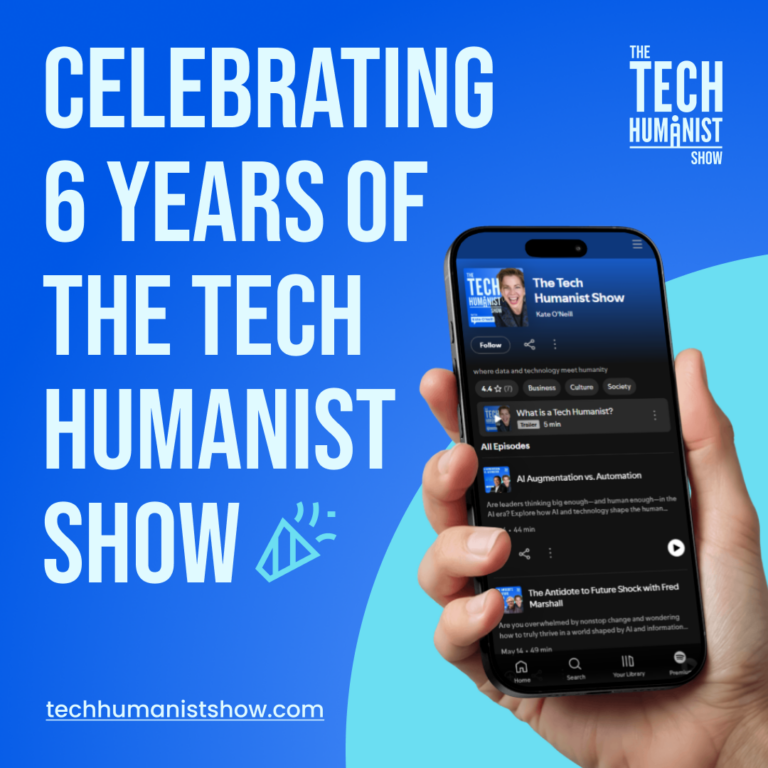
Six years after its pandemic-era launch, The Tech Humanist Show has grown into a seasonal platform for thoughtful conversations about technology, humanity, and what...
Before we dive into implications and applications, let’s establish a clear foundation in the basics of agentic AI. This emerging technology represents a fundamental...
Search is changing. With more AI-generated overviews, your traditional SEO playbook is obsolete. Here’s what to focus on instead. Years ago, I owned an...

When developing an AI digital transformation strategy, many leaders turn to historical precedents for guidance. The comparison between AI adoption and global electrification has...

Today let’s take a journey into the future of workspaces and workplaces of the future. How will they look? How will they function? And...
Let’s talk about AI. Not the AI of science fiction, not the AI that promises to take over the world or replace humans. No,...
Have you found yourself worried about the role of independent human thought in a world increasingly influenced by artificial intelligence (AI)? Many of our...
As we step into 2024 and look even further into the future, it’s evident that digital transformation continues to reshape the world of business...
Digital Transformation isn’t a one-time project, but a continuous journey that evolves with time and technology. It’s not just one magical digital transformation project...
Many leaders have digital transformation on their minds, and everyone is talking about AI. So with the rapid pace of technological change, it’s natural...
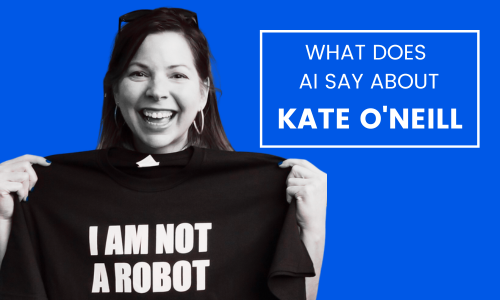
Lately I’ve been asked by several prospective clients whether I speak about AI, and — can I be honest? — that question surprised me...